Carbonara
Fresh pasta with Rome’s signature recipe
Carbonara is one of the most studied and debated dishes in Italian cooking, because it depends on a precise balance of ingredients and technique. Creamy, intense and never overdone, it is a recipe that allows no shortcuts and rewards both the quality of the ingredients and careful preparation. At Parma & Pasta we serve it as a fresh pasta dish, made to order, because handmade pasta is essential for holding the sauce and achieving just the right texture, with no unnecessary additions.
Rome and the birth of a culinary icon
Carbonara is deeply rooted in Rome and the cooking of Lazio – honest, direct cooking built on bold ingredients and rigorous technique. Its origins date back to the mid-20th century and lie in Roman home cooking, where the aim was not to impress but to nourish with flavour. It is precisely this strong identity and its clearly defined rules that have made carbonara one of the most recognisable Italian recipes in the world.
Eggs, guanciale and pepper: a recipe built on balance
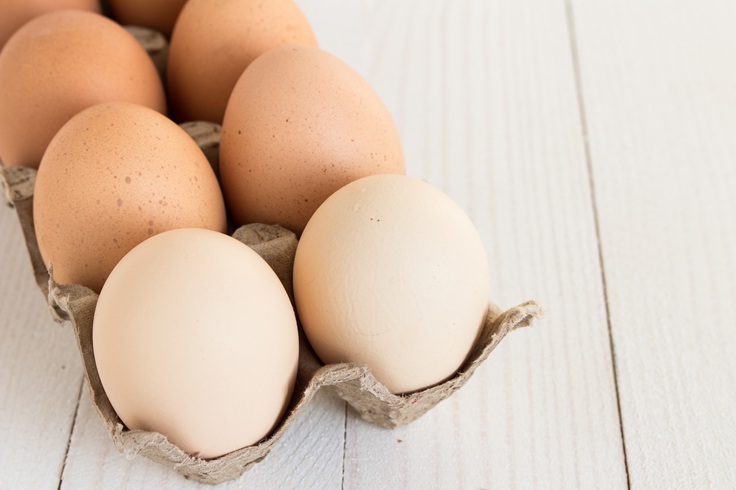
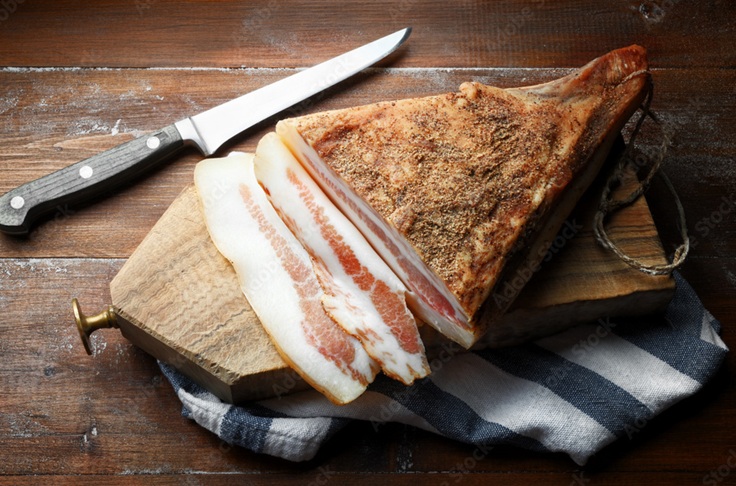
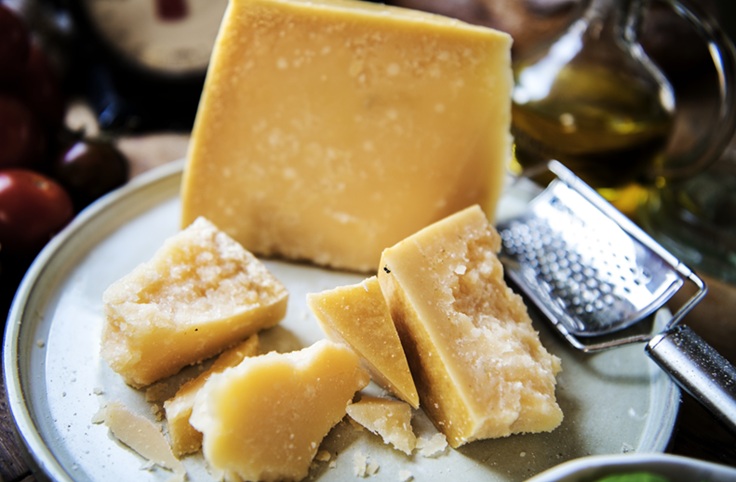
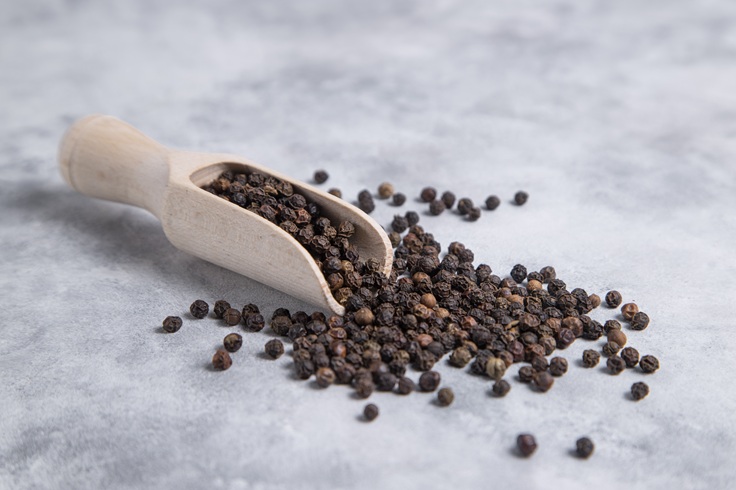
Traditional carbonara relies on just a few ingredients, each with a precise role. The eggs create a natural, velvety cream – with no cream added. Guanciale, cured pork cheek, is what brings savoury depth and that all-important crispness, contrasting with the silkiness of the sauce. In the Roman tradition, the cheese of choice is Pecorino Romano. At Parma & Pasta, however, we use Parmigiano Reggiano – a deliberate choice that reflects our home region and our search for a more delicate balance, respecting the original spirit of the dish without distorting it. Black pepper completes the dish with a bold, unmistakable aromatic note.
Key ingredients
|
Eggs |
Guanciale |
|
Parmigiano Reggiano |
Black pepper |
Fresh pasta and a mantecatura done to order
Our carbonara is cooked to order. The fresh pasta is made on the spot, giving it a porous surface that holds the cream without weighing the dish down. The mantecatura – the final tossing that emulsifies the sauce – is the key step: it is done off the heat, with close attention to temperature, so that eggs and cheese bind naturally and the egg never scrambles. It is this technical gesture that turns simple ingredients into a harmonious, coherent dish.
How it is traditionally served
In the Roman tradition, carbonara is served immediately after the mantecatura. The guanciale stays crisp, the sauce coats the pasta and the pepper comes through clearly yet in balance. No extras, no garnishes: carbonara arrives at the table just as it is, because its value lies in the technique and in respect for the recipe.
Carbonara: technique, balance and identity
Carbonara is a dish that only looks simple. Behind its directness lie precise rules, rigorous technique and a subtle balance of creaminess, savouriness and crunch. The quality of the fresh pasta, the choice of ingredients and a mantecatura done to order make this one of the most representative dishes of Italian cooking, telling the story of a region, its history and its food culture in a single dish.
Frequently asked questions about carbonara
-
Is carbonara a typical Roman dish?
Yes, carbonara was born in Rome and is one of the signature dishes of Roman and Lazio cooking. -
Does traditional carbonara use cream?
No. The traditional carbonara recipe contains no cream. Its creaminess comes solely from the emulsion of eggs, cheese and pasta cooking water. -
What is the original cheese in carbonara?
Traditionally, Pecorino Romano is used. At Parma & Pasta we choose Parmigiano Reggiano, a deliberate decision that reflects our home region and the balance of the dish. -
What role does guanciale play in carbonara?
Guanciale is essential: it brings savoury depth and a crisp note that contrasts with the creaminess of the sauce. -
Why is the mantecatura so important in carbonara?
The mantecatura, done off the heat with careful attention to temperature, creates a velvety sauce without cooking the egg, avoiding the “scrambled egg” effect.