Parma
Fresh pasta with butter, Parmigiano Reggiano, black pepper and Prosciutto di Parma
Parma is a pasta course that captures the essence of Parma’s cooking in a pared-back, measured dish with a strong sense of identity. A handful of iconic ingredients play off one another without competing, leaving centre stage to the fresh pasta and the outstanding quality of the produce. At Parma & Pasta we make it as a fresh pasta course, rolled, cut and cooked to order, because only handmade pasta can carry such a pure recipe without losing its balance.
Parma: a cuisine built on a few precise gestures
Parma’s cooking is known for turning exceptional ingredients into dishes of real elegance, with no need for complicated techniques. The Parma dish springs from exactly this philosophy: taking away rather than adding, and making the most of the very best the region has to offer. Butter, Parmigiano Reggiano, black pepper and Prosciutto di Parma need no explanation – only respect.
The ingredients: identity and terroir
The Parma dish is built on iconic ingredients from local tradition.
- Fresh egg pasta, rolled by hand
- Butter, used as the base for the creamy finish
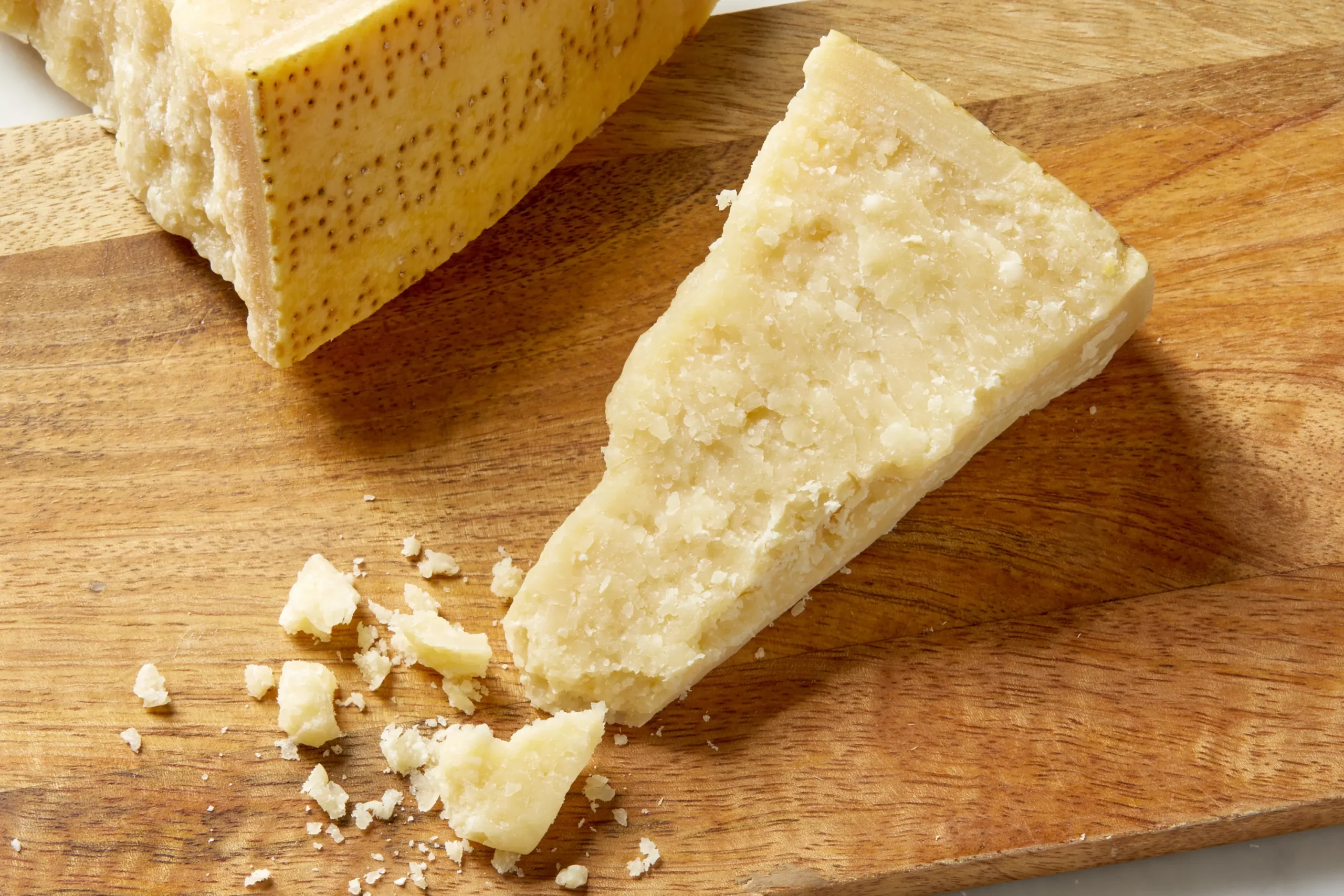
- Parmigiano Reggiano, for body and depth
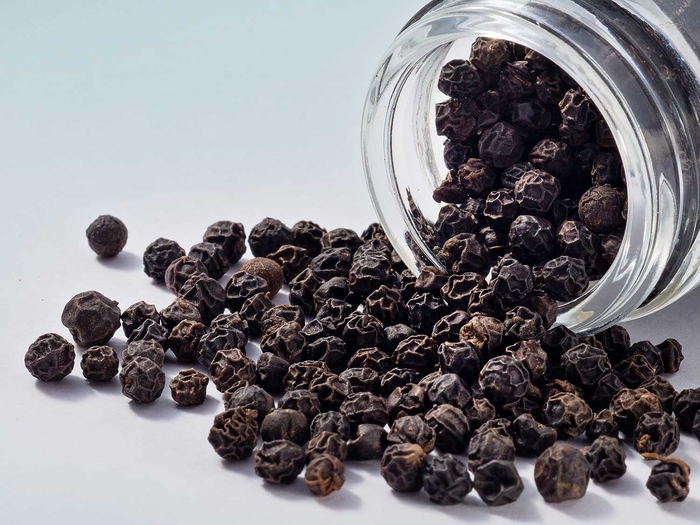
- Black pepper, for a clean aromatic note
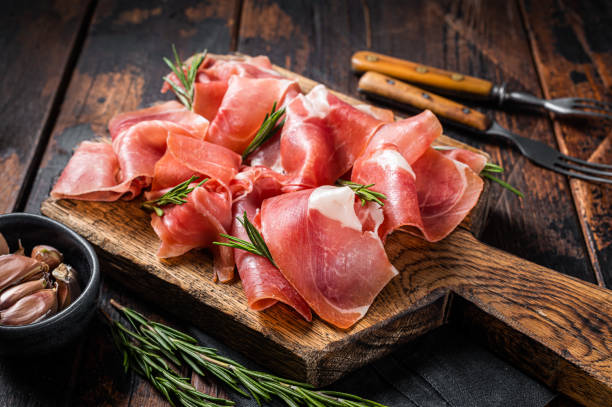
- Prosciutto di Parma aged 24 months, thinly sliced and used as a garnish
Every ingredient has a precise role and contributes to the final balance of the dish.
Key ingredients
|
Butter and Parmigiano Reggiano |
Black pepper |
|
Prosciutto di Parma, 24 months |
Fresh pasta |
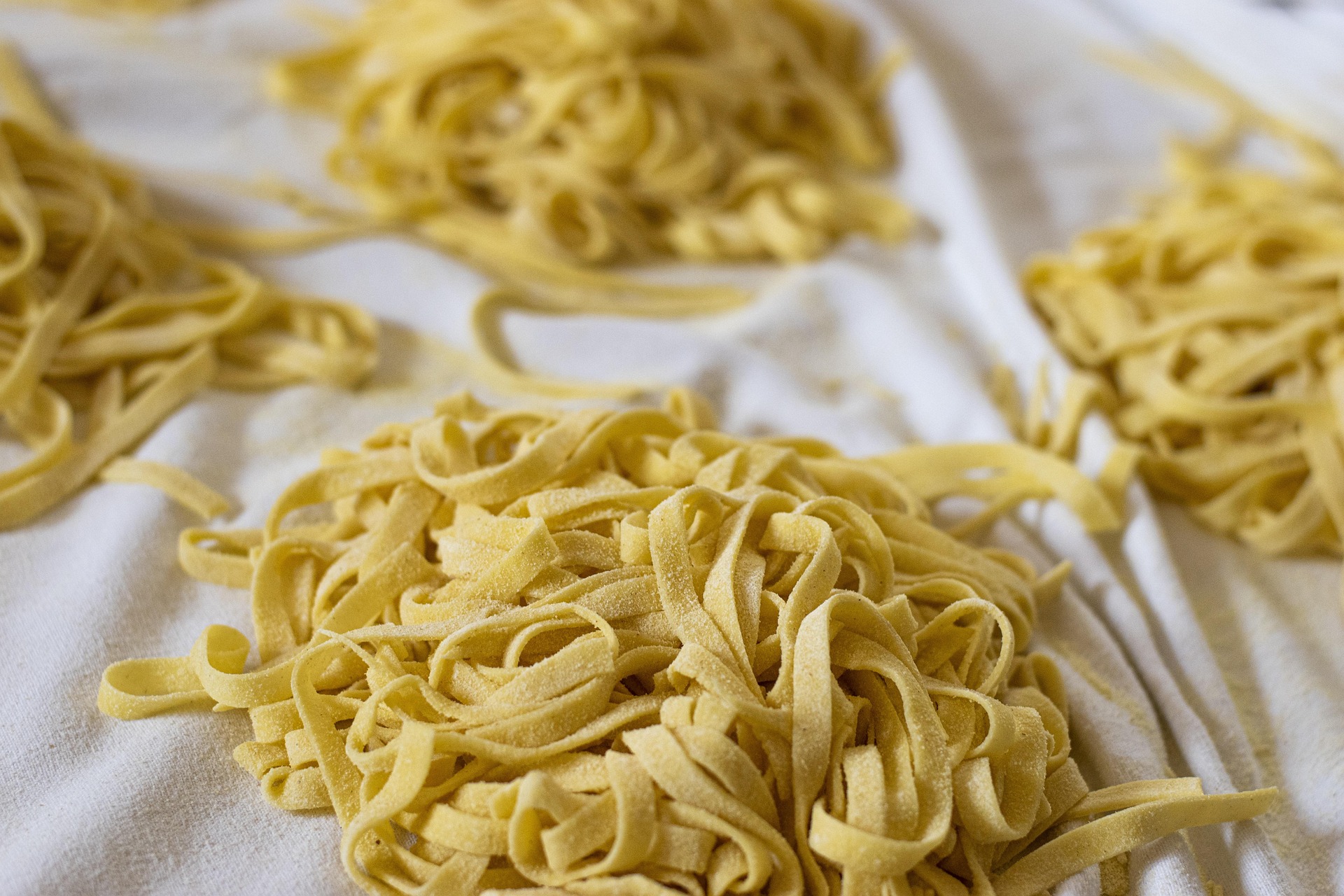
Fresh pasta, butter and Parmigiano: the foundation of balance
Tossing the pasta with butter and Parmigiano Reggiano creates a natural, silky, clean-tasting sauce that coats the pasta without weighing it down. Black pepper, added with a careful hand, brings a sharp aromatic touch that balances the sweetness of the butter and the savoury depth of the cheese.
- rolled by hand
- cut to order
- cooked fresh
An essential step in achieving a light, harmonious texture.
Prosciutto di Parma: the garnish that completes the dish
Prosciutto di Parma aged 24 months, thinly sliced, is added as the final garnish. It is neither cooked nor tossed through the pasta, so it keeps its aroma, sweetness and delicacy. Its role is to complete the dish with an elegant note of the region, without masking the base of butter, Parmigiano and pepper.
How it is served
The Parma dish is served the moment it is ready, with the pasta wrapped in its creamy sauce and the Prosciutto di Parma laid gently on top. There are no decorations or unnecessary extras: the dish comes to the table just as it is, because its value lies in its balance and in the quality of its ingredients.
Parma: simplicity, technique and identity
Parma is a dish that speaks of a confident cuisine, one that has no need to show off. Behind its apparent simplicity lie precise choices, attention to technique and a deep respect for the region. It expresses Parma’s cooking in its most direct and authentic form.
Frequently asked questions about the Parma dish
-
Is the Parma dish a traditional recipe?
It is inspired by Parma’s culinary tradition and built around the region’s signature ingredients. -
What role does Prosciutto di Parma play in the dish?
It is used as the final garnish, thinly sliced, to complete the dish without upsetting its balance. -
Is the Prosciutto di Parma cooked?
No. It is added raw to preserve its aroma and sweetness. -
Why is fresh pasta so important in this recipe?
Because only pasta rolled and cooked to order can do justice to such a simple butter-and-cheese finish.